Keep a contained backup from spreading through the property
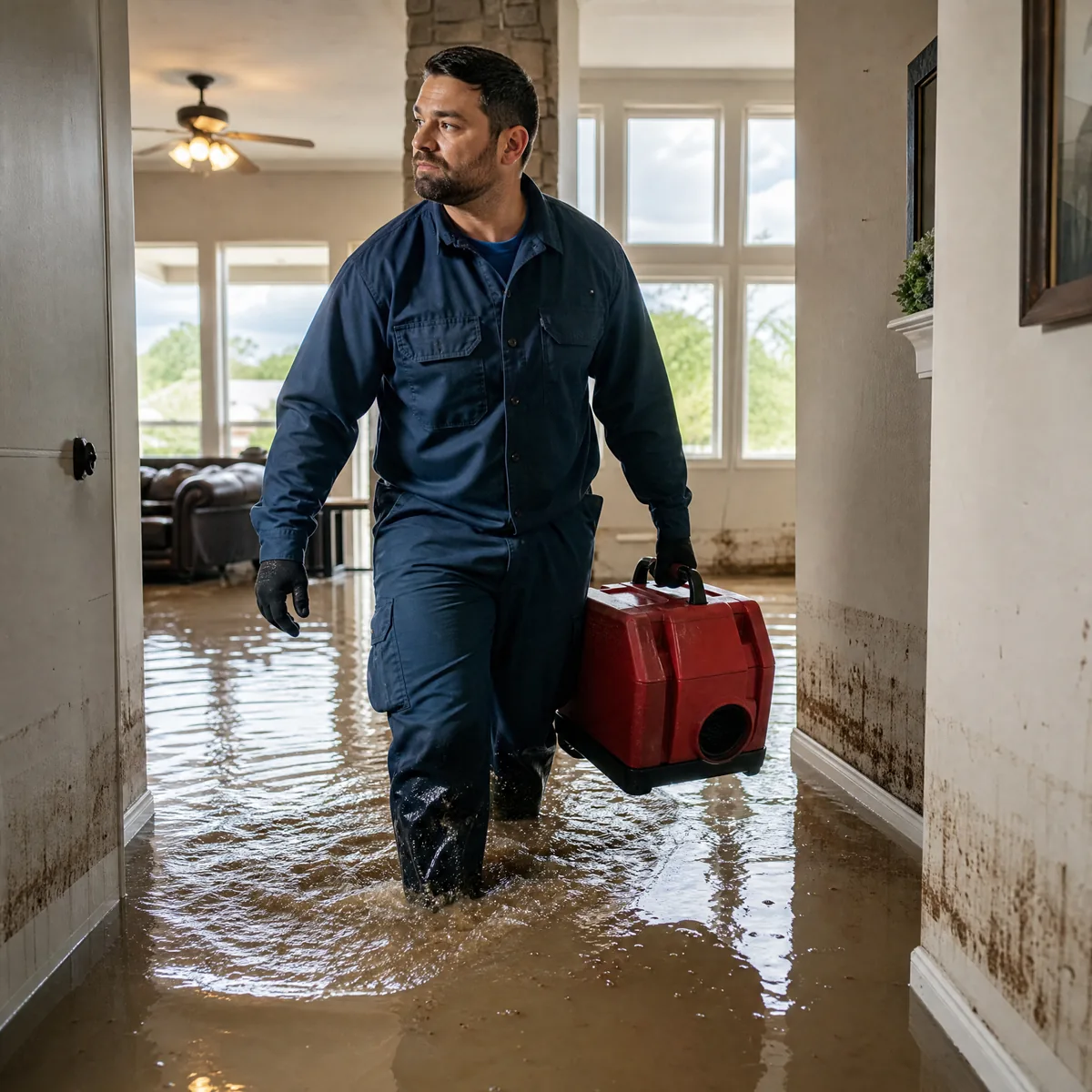
When wastewater appears at a floor drain, toilet, or other opening, the initial room can quickly become a route into the rest of the building. Walking through it or carrying wet belongings across clean flooring can spread contamination. Restrict access and stop use of the affected fixtures while the cause is evaluated.
Water Damage Pros Fremont connects callers with independent providers. Explain that sewage or drain water may be involved, even if the water looks relatively clear. State whether the backup is active, whether several fixtures are affected, and whether a plumber has already inspected the line.
The blockage and the cleanup need separate attention
A plumber can investigate the drain or sewer problem and determine the appropriate source repair. The restoration contractor addresses the water, affected materials, and contamination left inside the property. One task does not automatically complete the other, so make the responsibilities clear before expecting a single appointment to resolve everything.
In a Fremont apartment or shared commercial building, notify management so use of connected plumbing can be evaluated. Repeatedly flushing or running fixtures to test the problem may add water. Share the plumber's findings with the cleanup provider so both teams understand whether the source has been controlled.
Follow contact with the water, not just the odor
Odor is one sign of a problem, but its absence does not establish that a surface or material is suitable to keep. Water can enter seams, wall bases, floor layers, and cabinet bottoms. The contractor needs to understand both the direct contact and any movement through the room during the incident.
Some hard surfaces may be suitable for cleaning and treatment. Some porous materials may require removal. Ask the provider to explain those choices based on the material and contamination, including any items that need specialist evaluation. An air freshener or deodorizing treatment is not evidence that the full affected area has been addressed.
A cleanup plan should make the boundaries clear
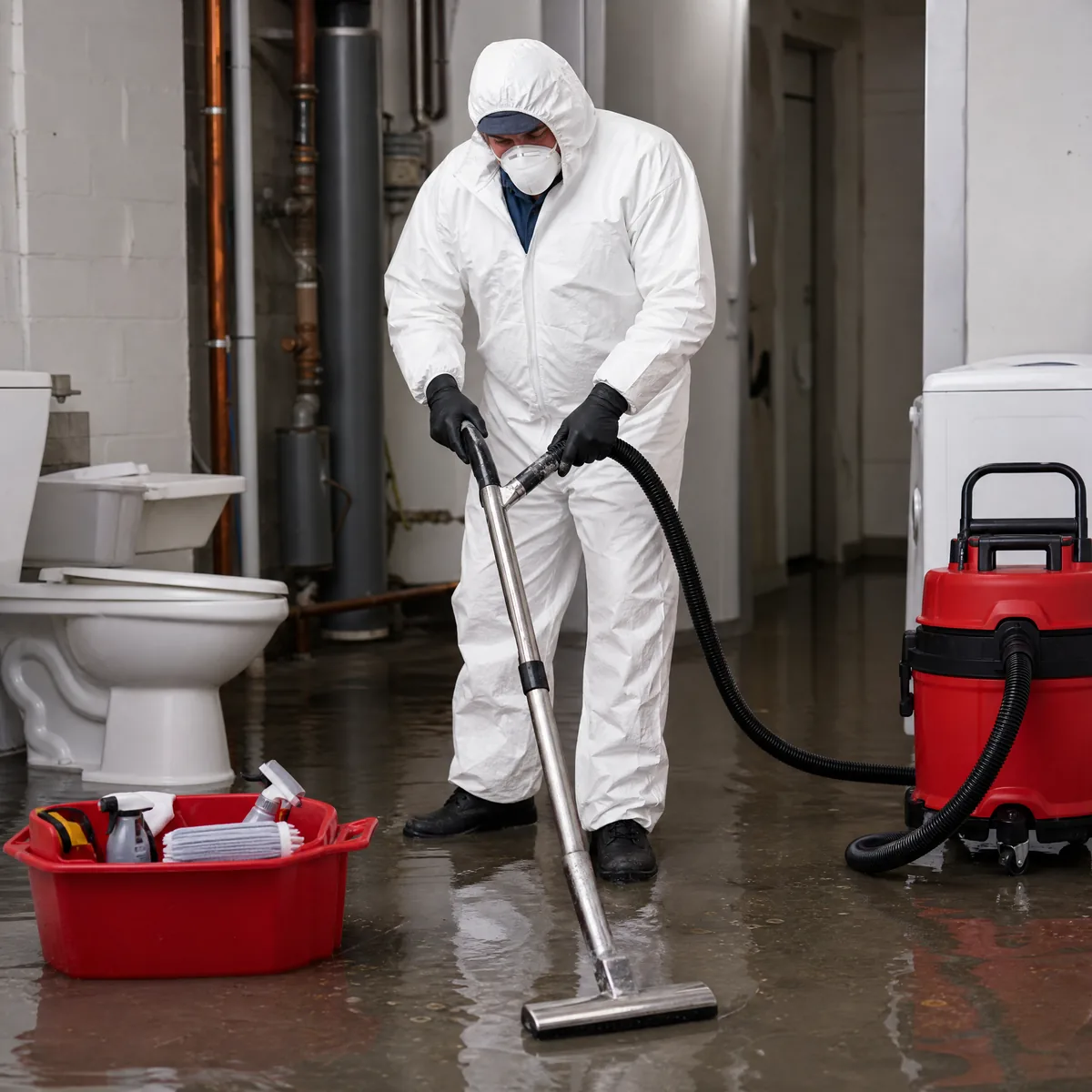
The written scope may include protection of unaffected areas, extraction, contents handling, material removal, cleaning of remaining surfaces, and drying. It should also explain how work will be evaluated before the room returns to use. The contractor should identify the actual affected areas rather than assume either one fixture or the whole building defines the job.
Discuss access for equipment and debris. Shared corridors, stairs, and entrances need to remain organized so the cleanup itself does not carry the loss into other spaces. For an occupied business, agree on who will communicate the restrictions to staff and customers while work proceeds.
Under-floor and crawl-space contamination needs its own assessment
A waste-line leak below a house can create contamination where it is difficult to see or reach. The condition may involve soil, insulation, framing, or materials left beneath the building. Do not enter a crawl space to investigate a suspected sewage loss without the appropriate professional evaluation.
Tell the provider what the plumber observed and how the lower space is accessed. Crawl-space water removal covers access and source coordination. A general pump-out above the floor does not establish that an under-floor loss has been cleaned or that affected material below the home has been assessed.
Personal belongings need individual decisions
Upholstery, rugs, boxes, stored clothing, and other porous contents can be affected differently from the building. Keep them separate from dry belongings and discuss evaluation before moving them elsewhere. Ask which items the provider can assess and what requires another specialist.
Where disposal is recommended, retain photographs and an item list when safe and practical. Confirm who authorizes removal. A clear record helps owners, tenants, or businesses discuss the loss without relying on memory after the room has been cleared. Do not assume that an object is suitable to use simply because it has dried.
Understand the full scope and any separate charges
Costs can reflect contamination, access, material removal, contents, disposal, and drying. Plumbing correction and reconstruction may be separate. Ask about emergency attendance and request an itemized explanation of the proposed work. If concealed contamination is discovered, the provider should explain how the scope changes.
Contact the insurer or responsible property party about the actual source and relevant agreements. The cleanup records describe the physical work but do not determine coverage or liability. Keep the plumber's report, restoration scope, photographs, and invoices together so the event can be described accurately.
Arrange cleanup without entering the affected area
Call (866) 552-5141 for sewage cleanup help in Fremont. Provide the address, affected rooms, and source if known. For an immediate electrical, structural, or other danger, leave the area and contact emergency services or the relevant utility as appropriate.
If the incident began with a toilet, see toilet overflow cleanup. If contaminated water entered during heavy rain, see storm and flood cleanup. Those descriptions help establish the correct starting point for the provider's assessment.