Investigate the moisture behind the mold
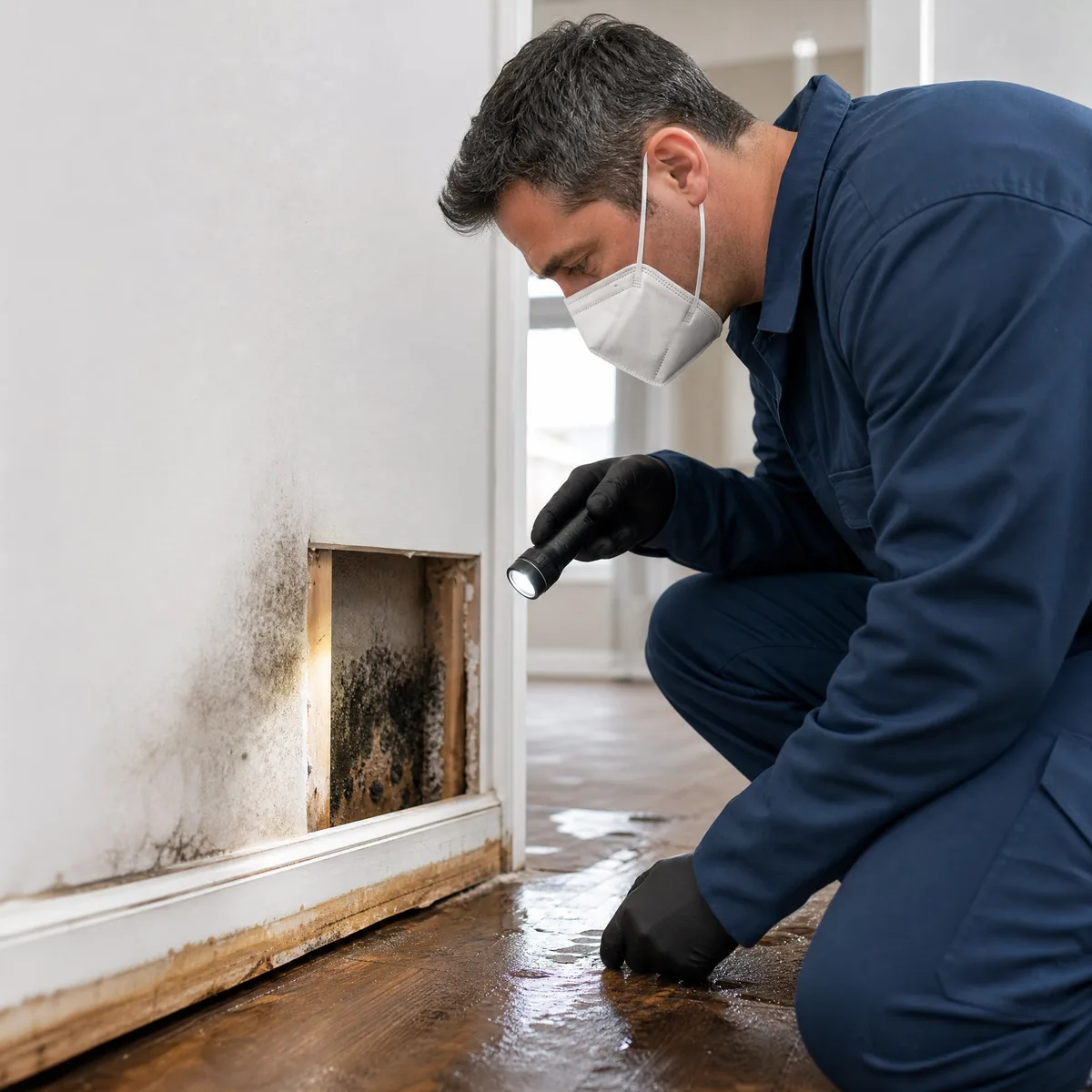
Mold on a wall or beneath a cabinet is a reason to investigate the moisture that allowed it to develop. A surface treatment can leave that underlying problem unanswered. A useful plan identifies the affected area, considers the source, and explains what material can be cleaned or needs removal.
Water Damage Pros Fremont is a contractor-connection service. It does not inspect properties, perform mold remediation, or certify a cleanup result. Call to discuss your situation and independent provider availability. Ask the provider to explain their experience and the exact services they propose before agreeing to an assessment or work.
Tell the provider what you have observed
Describe the room, approximate visible area, known water event, and whether the condition has returned after an earlier repair. Mention odors without assuming that they establish a particular species or the full extent of the problem. A photograph can document what is visible, but it cannot show the condition behind a wall.
Avoid opening or scraping a large affected area just to get a closer look. That can disturb material before the scope is established. If there is active water entering, address the source and immediate hazards with the appropriate professionals while discussing the separate evaluation needed for the mold-related condition.
Moisture can come from several different sources
A supply-line leak, repeated exterior entry, condensation, or damp conditions beneath the building can each call for a different correction. The mark's location may not identify the source. Ask what the proposed investigation is intended to answer and whether another trade is needed to confirm or repair the cause.
In Fremont, the same approach applies to a house in an established district, a newer townhouse, or a managed apartment. The construction and moisture history matter more than the age label alone. Share any previous roof, plumbing, drainage, or ventilation work so the evaluation starts with the relevant history.
Understand the difference between evaluation, testing, and cleanup
An inspection can help describe visible conditions and determine what needs closer investigation. Sampling answers particular questions when a qualified professional identifies a reason for it. Remediation addresses the agreed affected materials and cleaning work. These are related tasks, but they should not be treated as interchangeable charges.
Ask what a proposed test would change about the work plan, who interprets it, and whether the testing is included in the quoted fee. A laboratory result does not by itself repair a leak, remove damaged material, or explain how a concealed assembly will be accessed.
Check qualifications for the actual California work scope
Request the provider's business identity, experience, insurance, and applicable contractor credentials. For contracting work that requires a California license, use the Contractors State License Board lookup to verify the provider and relevant information. A logo or training certificate on a proposal is not a substitute for checking the applicable requirements.
Keep assessment, cleanup, source repair, and reconstruction responsibilities explicit. If different providers will perform those tasks, identify who coordinates the sequence and what documentation they will exchange. Confirm the business named on the agreement and ask which qualifications are relevant to the specific assessment or cleanup being proposed.
Agree on access and protection before disturbance begins
The work may affect cabinets, floor coverings, wall finishes, stored belongings, or shared spaces. Ask how the work zone will be managed and whether any rooms must remain restricted. Contents movement, debris routes, and access for follow-up visits should be part of the discussion rather than improvised after removal begins.
If older materials might need specialist evaluation before disturbance, make that a separate identified step. Mold-related work does not establish that every other material is safe to remove. For apartments and condominiums, notify the appropriate owner or manager so shared assemblies and neighboring spaces can be accessed when necessary.
Define completion before choosing the final finishes
Ask how the provider will evaluate the completed scope and what report or work record will be supplied. Clarify whether any follow-up assessment is proposed, who will perform it, and what it is intended to establish. Appearance alone should not replace the agreed completion process.
The repair contractor needs to know what was removed, what remains, and whether the moisture source was corrected. The EPA's mold guide explains the importance of addressing moisture alongside cleanup. A new wall finish can be affected again if the source continues.
Make a practical decision about the next step
Be cautious about any proposal promising a permanently sterile building or diagnosing personal health effects from a photograph. Focus on the specific condition, relevant expertise, a written scope, and an understandable handoff. If you have health concerns, discuss them with a healthcare professional rather than relying on a restoration estimate.
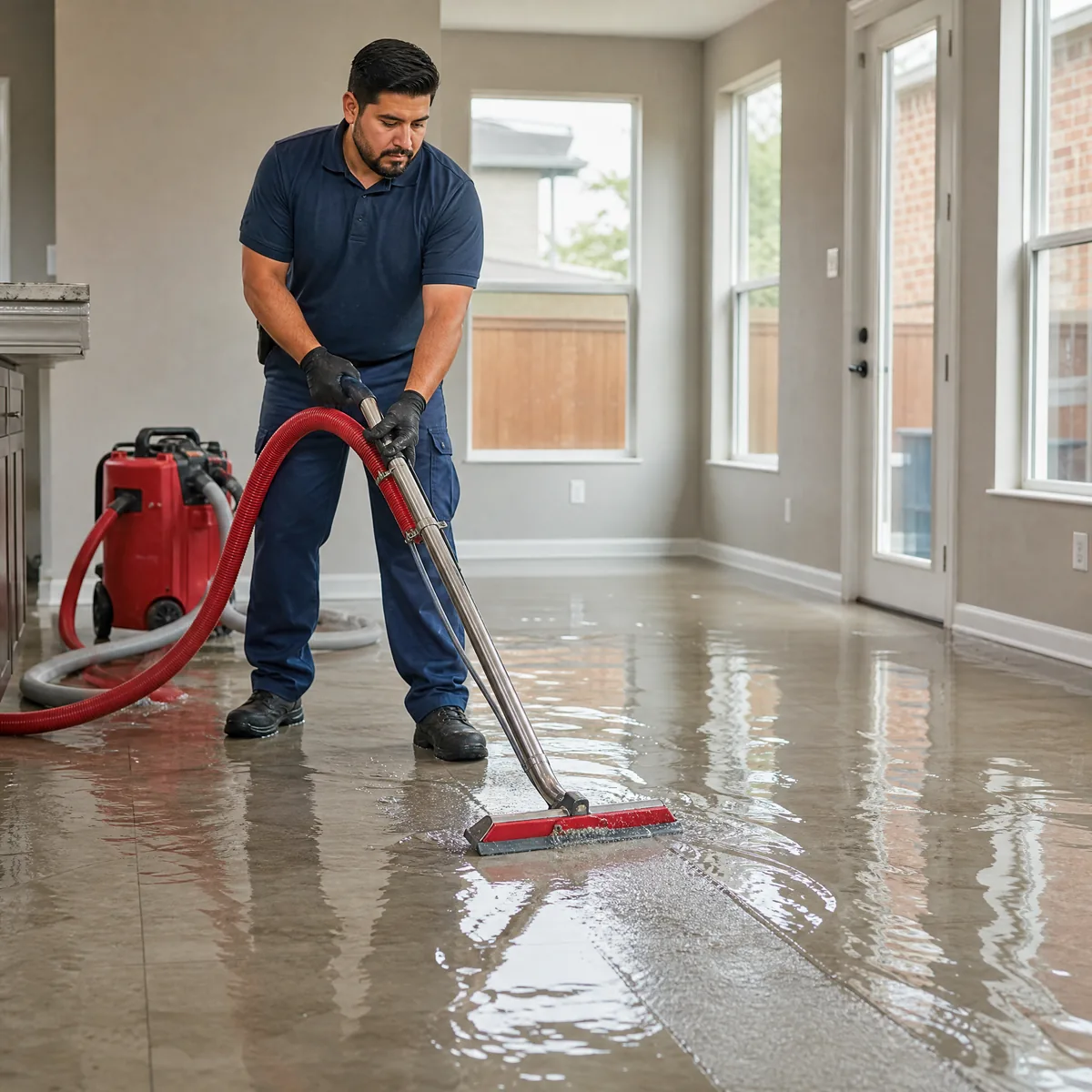
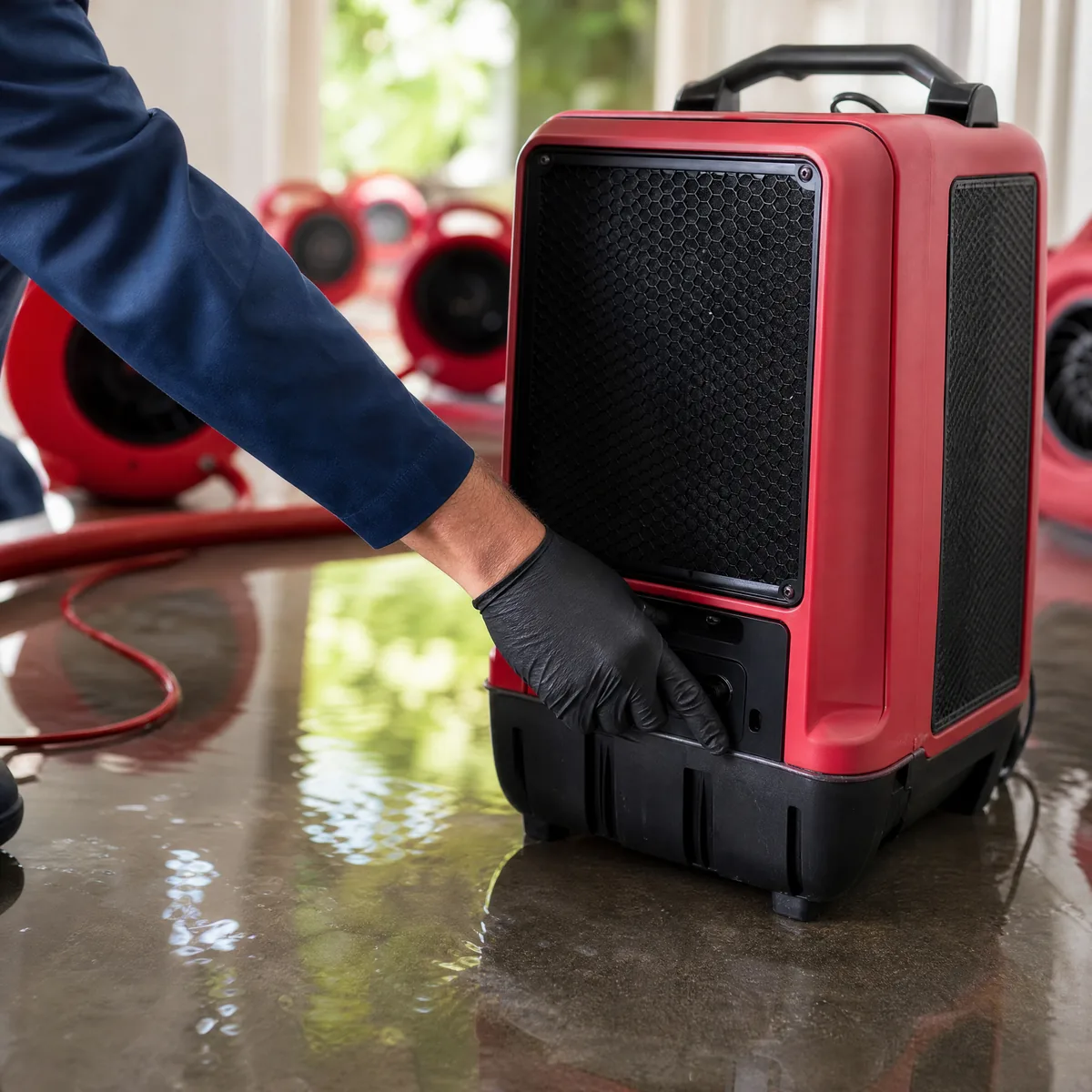
Call (866) 552-5141 for mold-service connection help in Fremont. If the immediate problem is standing water or a still-wet structure, explain that first. Water extraction and structural drying may be parts of the water-loss response, while any existing mold requires its own appropriate evaluation.