Notify the responsible property contact
A landlord, managing agent, association representative, or building owner may control access to shared areas and systems. Contact the appropriate person promptly. They may need to coordinate the plumber, roofer, or other trade correcting the source as well as the cleanup inside individual units.
Residents can document what they observe without opening walls or entering another unit. Include the discovery time, affected room, and any change after fixture use or rainfall. Where an immediate hazard exists, leave the space and contact the appropriate emergency service or utility before addressing routine coordination.
Agree on who can approve what
Private finishes, common building components, equipment, and personal belongings may be governed by different agreements. Clarify the person authorized to approve each part of the work. Give the contractor a practical contact for access, urgent decisions, and scope changes while those responsibilities are being addressed.
The restoration provider documents and performs the agreed work. It does not settle liability, interpret every association rule, or determine insurance coverage. Keeping authorization and scope records clear makes it easier for the responsible parties to evaluate the loss without confusing access permission with responsibility for payment.
Inspect the connected spaces when appropriate
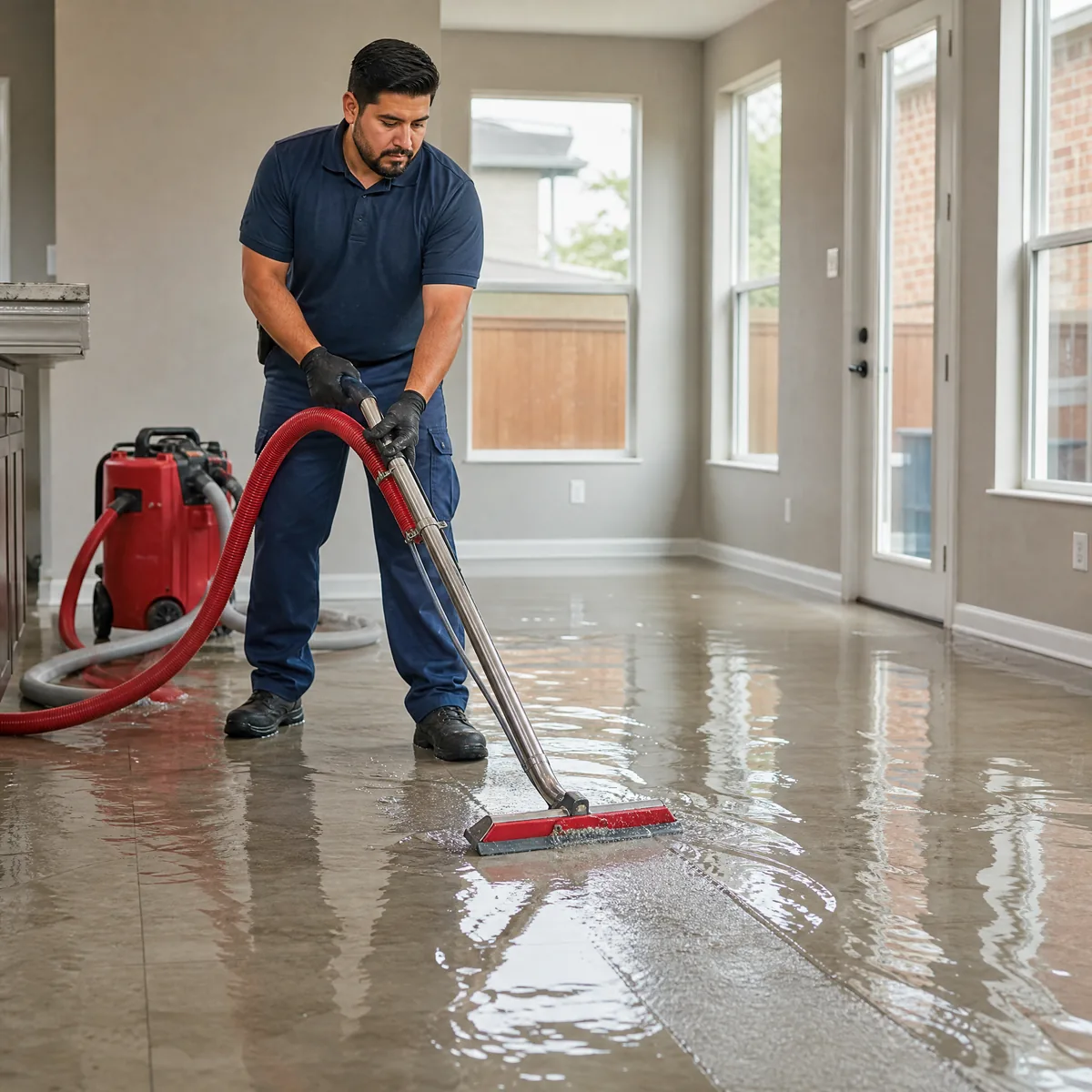
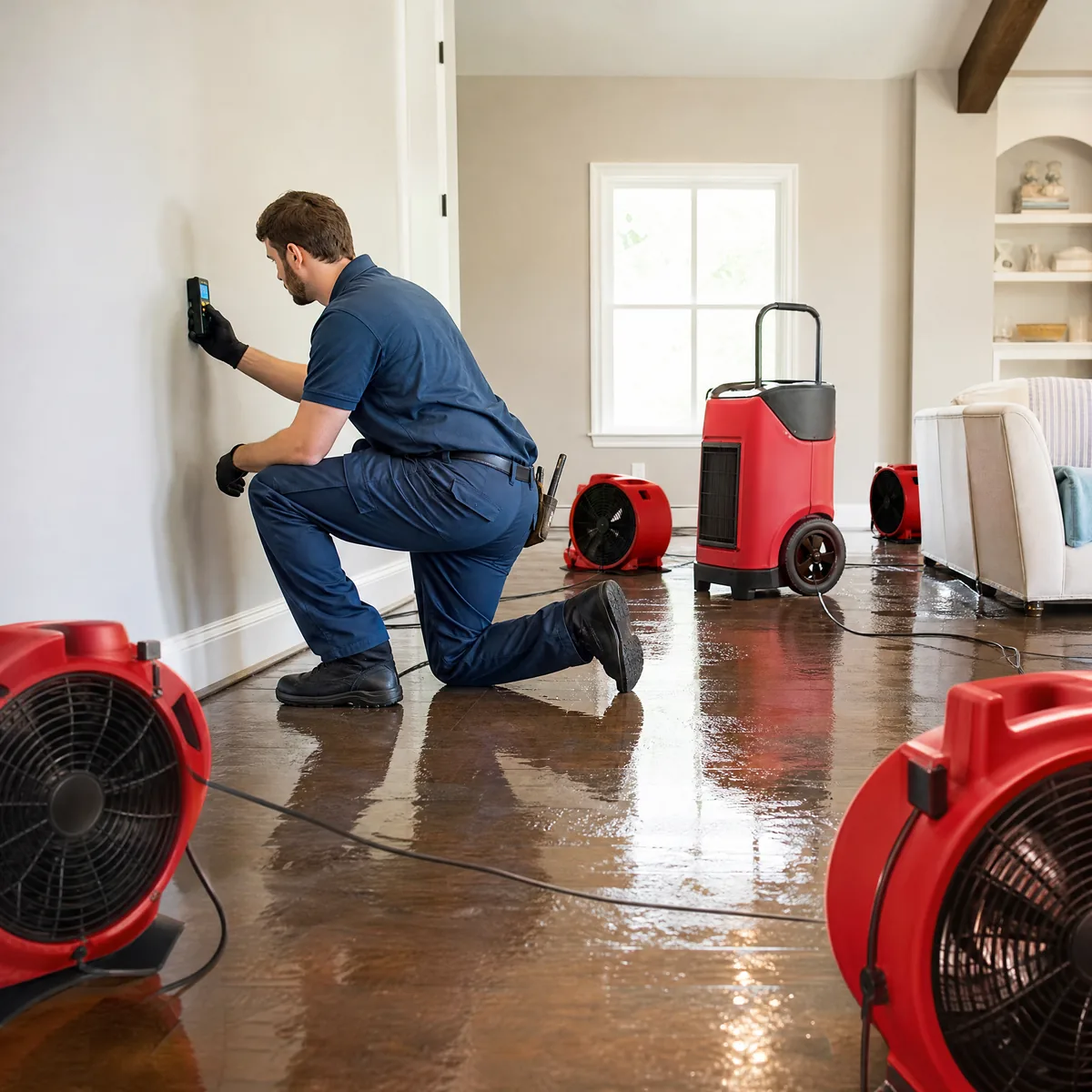
The source unit may not show the most obvious damage. Moisture can remain in a lower ceiling, adjoining wall, or floor system. The assessment may need entry to other units or shared spaces to determine where the water traveled and which materials require attention.
Ask how findings will be recorded by room or unit. If access is delayed, the contractor should explain what remains unassessed. Repairing the first visible stain should not be treated as proof that the connected assembly has been addressed throughout the building.
Plan access for equipment and monitoring
Stairs, elevators, parking, secure entrances, and management requirements can affect the setup. Provide the correct entrance, unit number, and contact who can admit the crew. Mention whether the property requires contractor insurance documents or has restrictions on equipment movement through shared areas.
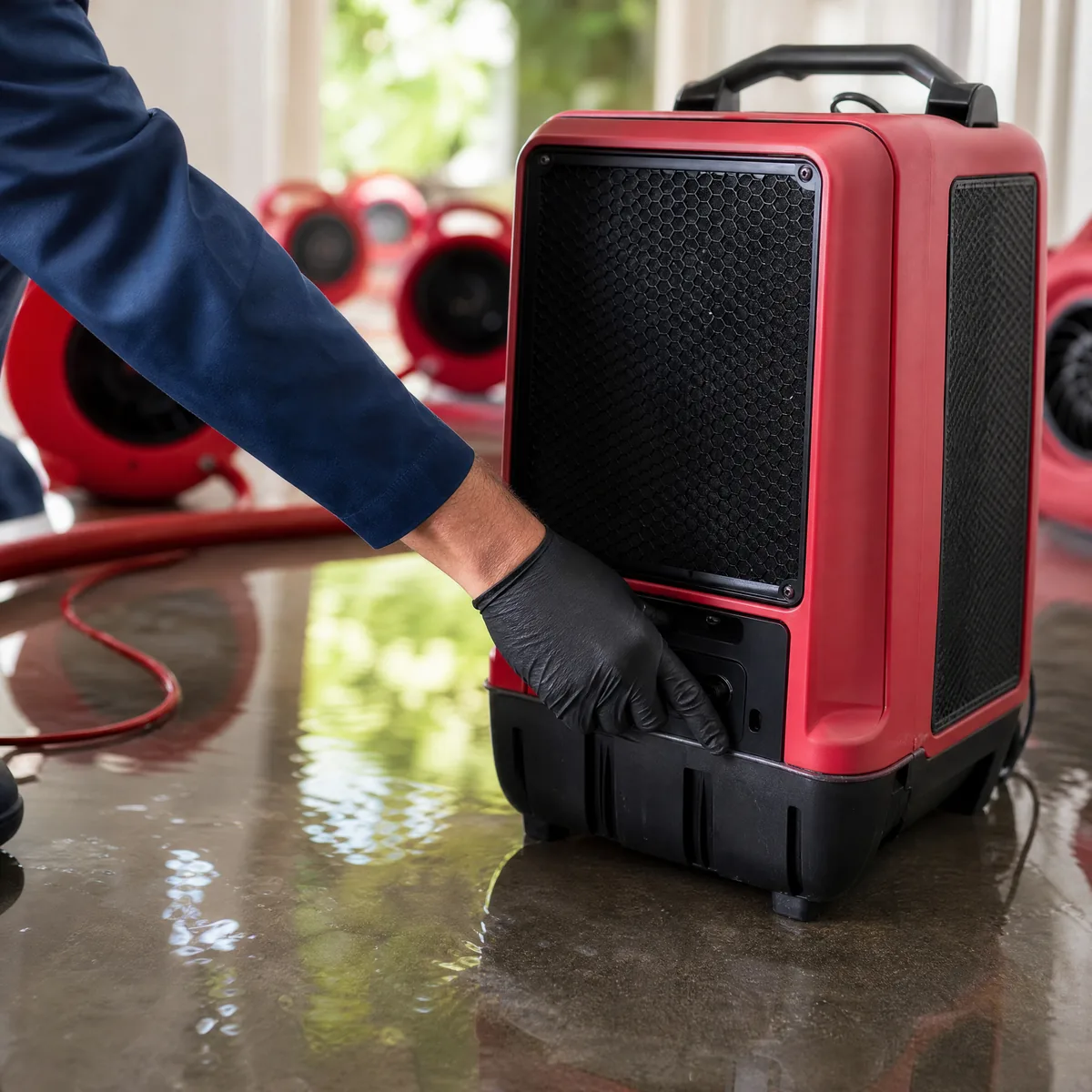
Drying equipment may remain after the first visit and require follow-up access. Arrange that access with occupants before the schedule becomes a problem. In Fremont townhouses and apartment complexes, private doors and shared systems can create different access responsibilities even within a relatively small affected area.
Give occupants a usable explanation of restrictions
People need to know which rooms they can enter, whether utilities will be interrupted, and how the work affects noise or sleeping arrangements. Equipment, containment, and exposed materials can change the normal use of a unit. A clear update should identify the affected room and the next planned action.
Whether occupancy can continue depends on the source, contamination, safety conditions, and work scope. An unaffected portion of a property may remain usable while the cleanup zone is restricted. Ask for a site-specific explanation rather than assuming either complete evacuation or normal use applies to every loss.
Separate mitigation from the return of finished rooms
Extraction, cleaning, removal, and drying may be followed by flooring, ceiling, paint, cabinet, or fixture work. These may involve different contracts. Identify which materials were removed and what information the repair trade needs before closing the assembly.
For several affected units, maintain a status for each one. Completion in the source room does not automatically mean the room below is ready. The relevant drying records and source findings help the next trade work from the same information as the mitigation crew and building contact.
Keep the communication practical through completion
Maintain a list of the provider, source-repair trade, building contact, and people authorizing work. Keep photographs, estimates, approvals, and completion records organized by affected area. That provides a useful history if new information emerges after a concealed space is opened.
Call (866) 552-5141 for apartment, condo, or townhouse water-damage help in Fremont. Explain whether the loss began with a pipe failure, bathroom overflow, or roof leak. The provider can confirm availability and discuss the access needed for the next step.