Identify which part of the toilet released the water
A leaking supply connection, cracked tank, and bowl overflow can each leave a wet bathroom, but they do not necessarily require the same cleanup. The source, time, and surfaces contacted matter. Tell the provider where the water came from if you know; if you do not, explain that the source remains uncertain.
Water Damage Pros Fremont connects callers with independent cleanup providers. Describe whether the overflow is still active and whether water reached the hall, vanity, or room below. The more accurately the situation is described, the easier it is for the provider to discuss the appropriate assessment rather than assume a simple floor spill.
Stop adding water while the cause is investigated
Avoid repeated flushing to test whether the obstruction is gone. If the fixture shutoff is safely accessible from a dry position and you know how to use it, stopping the supply may limit further flow. Otherwise, ask the plumber or building contact for assistance.
If more than one drain or fixture is involved, say so. Shared plumbing may require broader source investigation. Keep occupants and pets out of the affected room and avoid contact with electrical items around the water. Do not enter a hazardous area just to confirm exactly how far the overflow reached.
Tile does not protect every part of the assembly
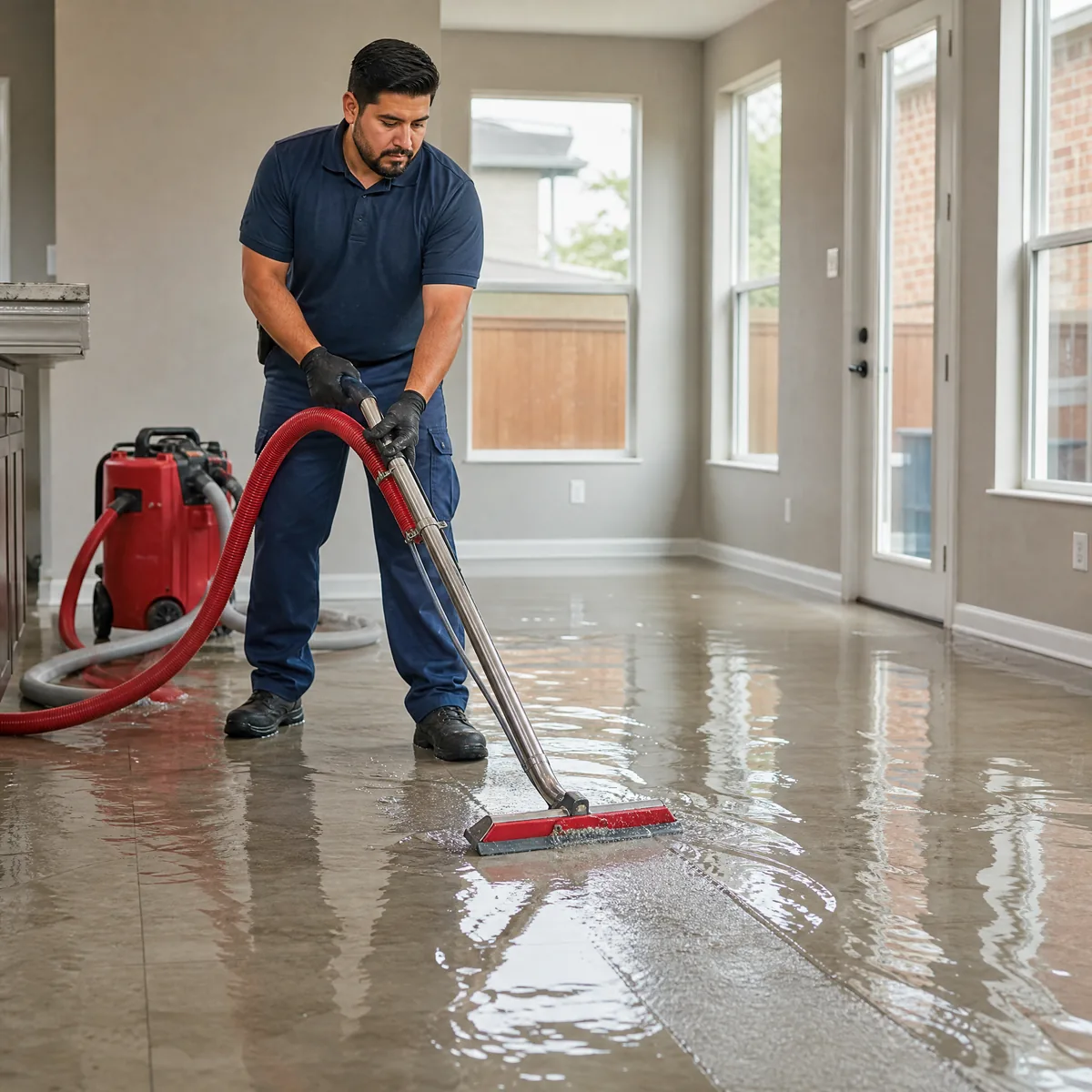
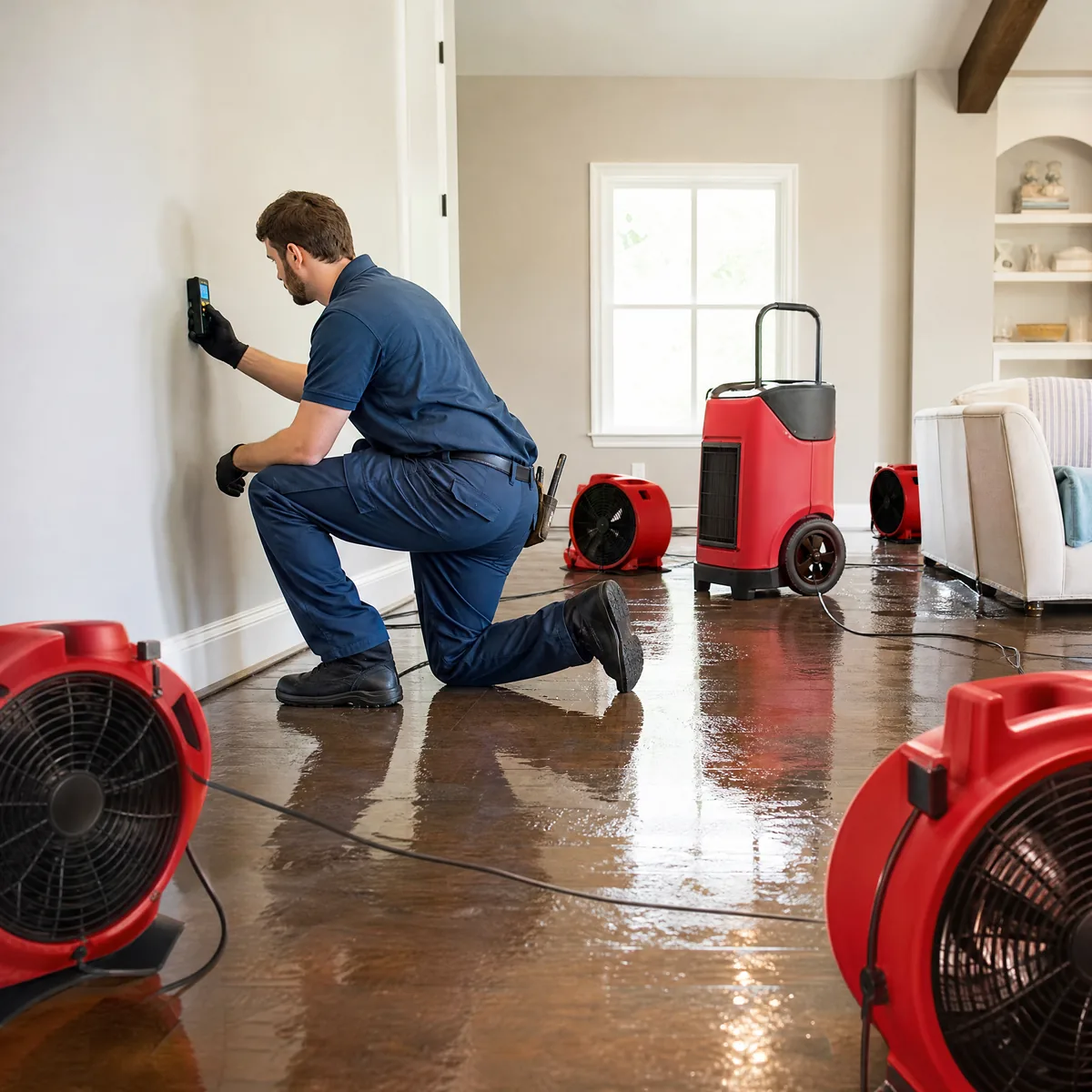
Water can move at flooring edges, penetrations, joints, and transitions to other rooms. Cabinet bases, trim, and nearby wall materials may be affected even if the tile looks unchanged. The contractor may need to inspect below or around the visible surface to establish the work boundary.
Ask how the provider will evaluate the space around the fixture and beneath the vanity. Removal should have an explained reason connected to the material and contamination. Conversely, the ability to wipe the exposed floor should not be used to promise that the concealed assembly requires no further attention.
An upstairs loss may create a second work area
Drips or staining on a lower ceiling can appear after water leaves the bathroom above. The ceiling cavity, finishes, and contents below may need assessment in addition to the original floor. Keep people clear of sagging material or water near lighting and electrical equipment.
For a Fremont apartment, condo, or townhouse with shared areas, notify the relevant owner or manager promptly. Coordinate access to the spaces involved rather than assuming the originating unit contains the entire job. Apartment water-damage guidance explains how to organize access and work contacts across units.
Contamination affects retention and handling
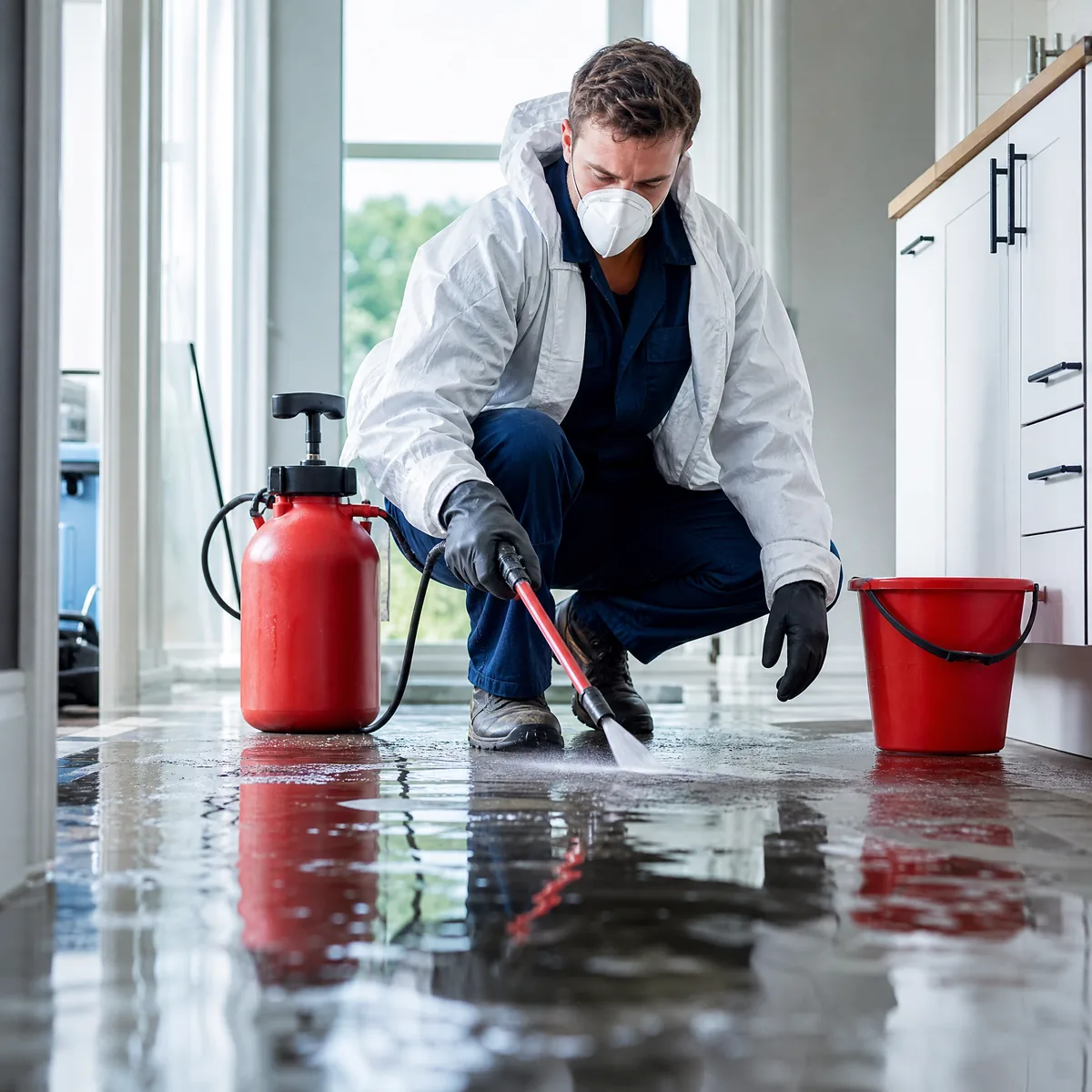
Wastewater or sewer backup can require different decisions from a recent supply leak. Floor layers, porous belongings, rugs, and cabinet components may not be suitable to retain after contamination. Drying alone does not establish that those materials have been appropriately cleaned.
Avoid moving wet items through unaffected rooms without a plan. Ask the provider what can be evaluated, cleaned, or removed and who authorizes disposal. Keep contents records where practical. A relatively small bathroom can still involve several distinct material and access decisions before the cleanup scope is complete.
Coordinate plumbing with cleanup and repairs
The plumber corrects the source or fixture problem. The restoration provider handles the agreed water-damage work. Resetting a toilet, moving a vanity, repairing a floor, or finishing a lower ceiling may require separate tasks or trades. Make those responsibilities explicit before work begins.
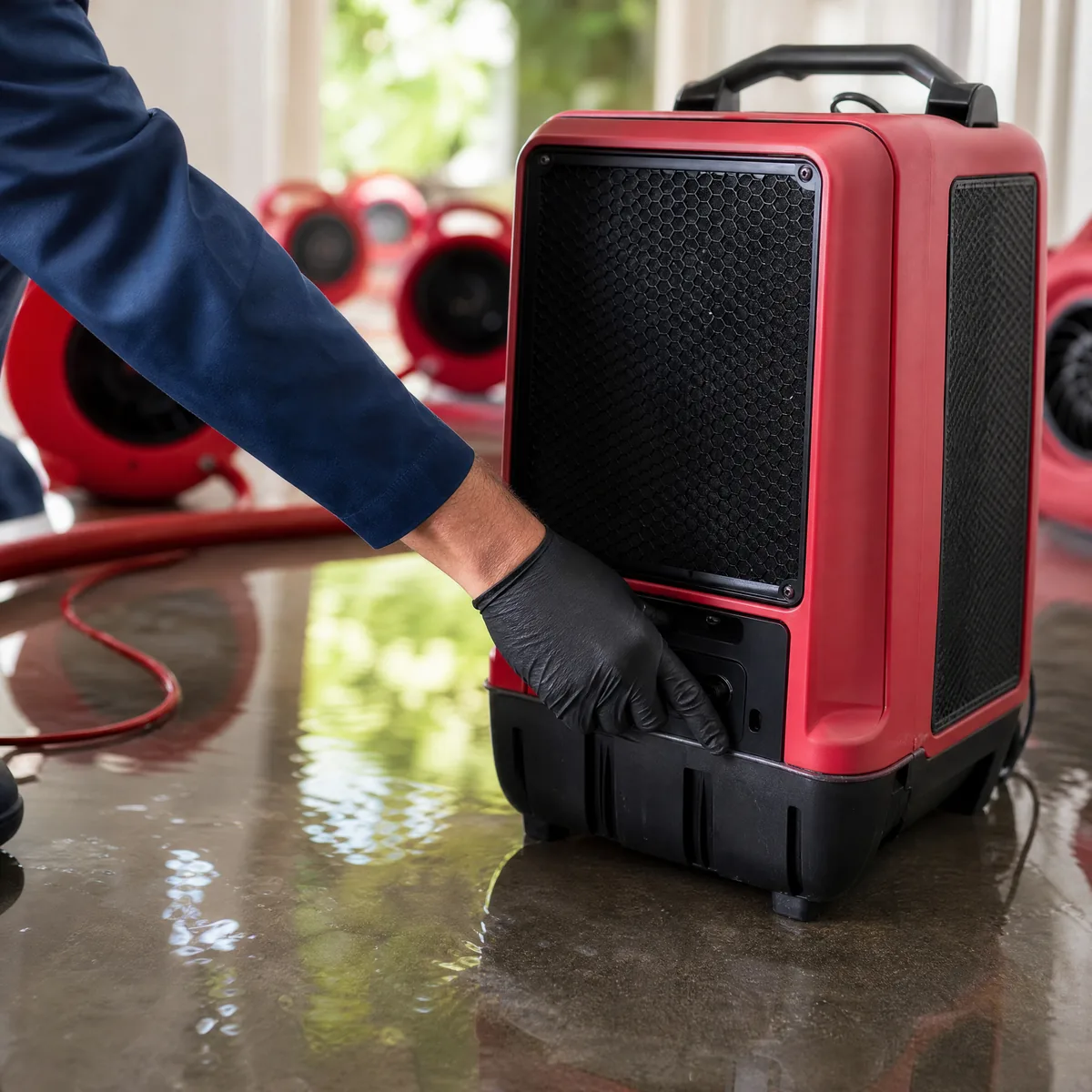
After extraction and cleaning, suitable remaining materials may need monitored drying. Ask what information will be available before the floor or wall is closed. A functioning toilet is only one milestone; the condition of the building around it still needs to be accounted for.
Keep the sequence of events documented
Record when the overflow began, what fixtures were being used, and whether the source was stopped. Keep the plumber's findings alongside photographs, restoration estimates, and work records. If more damage is found in a concealed area, request an explanation of the scope change.
An insurer, owner, or responsible party may need those records to evaluate the event. The provider can describe the work performed but does not determine coverage or legal responsibility. A clear distinction between source correction, cleanup, and repairs makes the record more useful to everyone involved.
Get the bathroom and adjoining areas considered together
Call (866) 552-5141 for toilet overflow cleanup help in Fremont. Include the exact address, affected floor, source if known, and whether the overflow has stopped. Tell the provider about any lower ceiling or neighboring room that may also be wet.
For a broader backup, see sewage cleanup. For materials remaining wet after the first visit, review structural drying. Confirm provider availability and the assessment scope before arranging service.