Organize the response around customers, stock, and the building
A retail leak can affect the front entrance, merchandise displays, fitting rooms, and stockroom in different ways. The immediate task is to keep people away from the affected area and determine how water is entering. The recovery then needs to address both the building materials and the stock or fixtures occupying that space.
Water Damage Pros Fremont helps retail operators and property managers seek independent restoration providers. Describe the type of store, the areas affected, and whether the business occupies a stand-alone building or a shared center. Tell the provider about any neighboring units that may be involved and who can authorize the initial work.
Establish safe routes before moving merchandise
Standing water, wet electrical devices, unstable ceiling finishes, and slippery flooring can change how a store can be used. Keep customers and staff outside areas of uncertain safety. Do not send employees through water to recover merchandise or switch off equipment. Electrical concerns need the appropriate qualified professional.
Once the area has been evaluated, plan any necessary movement of stock around the work zone. Consider the path to storage, loading access, required exits, and equipment placement. Moving a display without a destination can crowd an unaffected area or block the route the restoration crew needs to use.
Separate building decisions from inventory decisions
The retailer may own the merchandise and some fixtures while the landlord controls other building components. Identify who approves work on each part. When a lease or shared system is involved, notify the property manager and coordinate the source inspection before assumptions about responsibility delay the response.
Keep affected goods identified by item, quantity, and location where practical. Photographs and stock records can support a later review. The store's authorized personnel, suppliers, and relevant specialists should determine whether merchandise can return to sale; drying a room does not establish the condition or suitability of every product inside it.
Follow water beneath fixtures and floor coverings
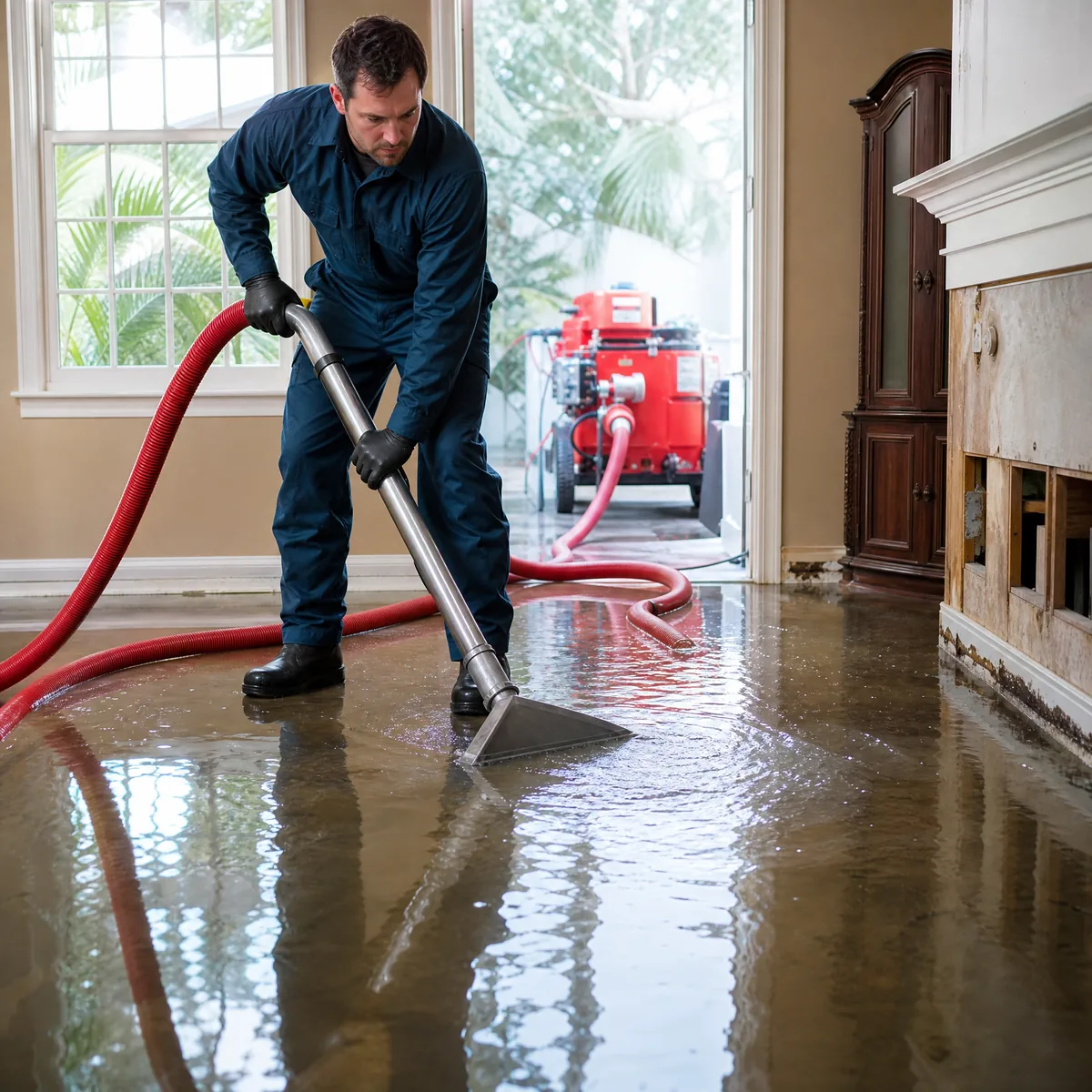
Water can reach beneath a shelving base, across a flooring seam, or behind a display wall even when the nearby aisle looks dry. The assessment should consider the route from the source and accessible adjoining materials. A stockroom leak may also affect the customer area on the other side of a partition.
Ask the contractor to explain which areas need water extraction, which materials require further access, and what can reasonably stay in place. Moving fixtures, opening an assembly, and removing unsalvageable material should be discussed in relation to the findings and the authorized scope.
Match cleaning to the source of the water
A broken supply connection calls for a different assessment from a drain backup or water entering from outdoors. Tell the provider if the water has passed through a restroom, mixed with debris, or come from an unknown source. Do not assume that clear-looking water is suitable for ordinary employee cleanup.
When contamination is suspected, the work plan may need separation, specific cleaning, and removal of affected porous material. The sewage cleanup page explains contaminated-water issues. Confirm how affected merchandise and debris will be handled so they are not carried through unaffected stock without a plan.
Dry the structure without losing track of store operations
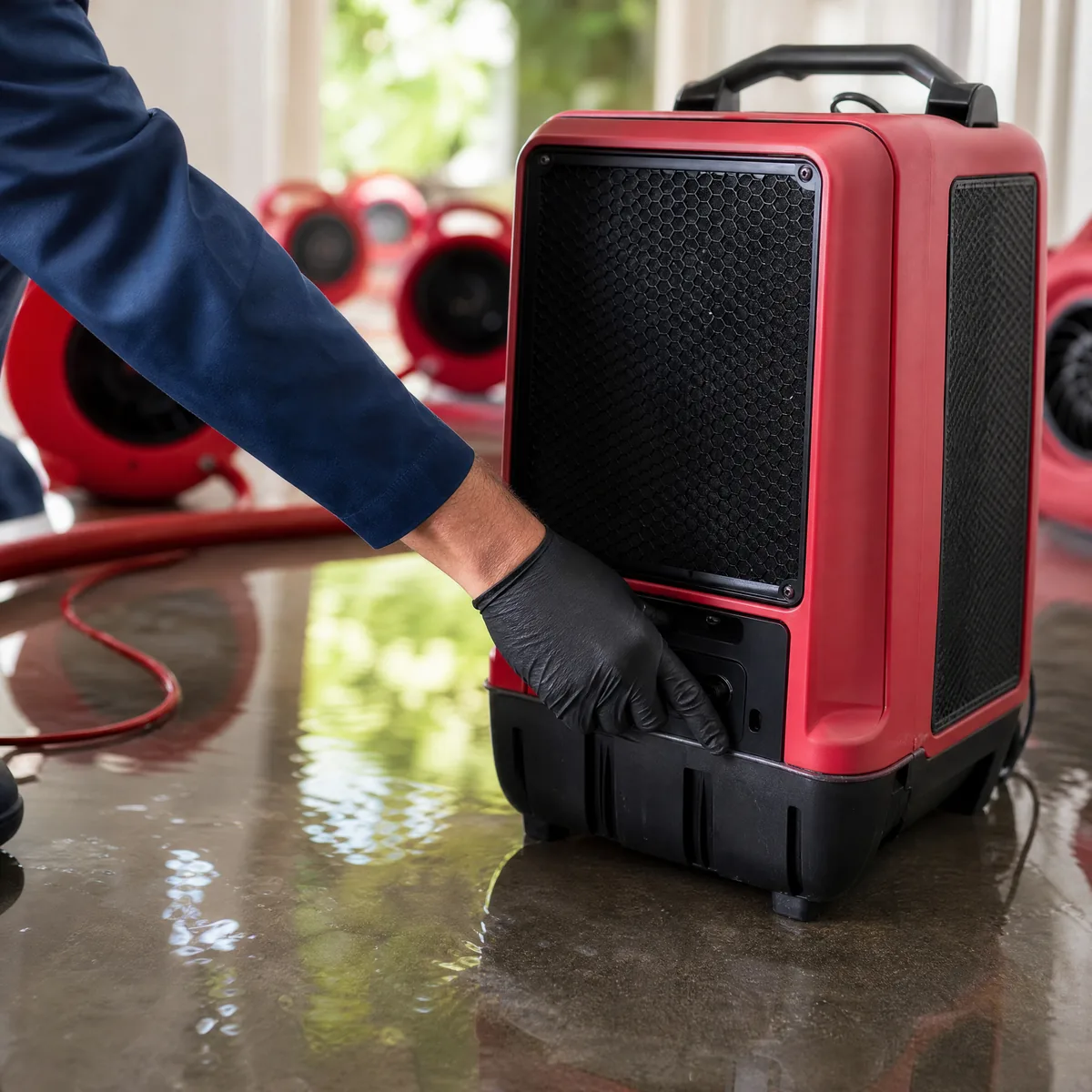
Extraction is followed by an assessment of moisture remaining in flooring, walls, and other materials. Drying equipment requires an agreed layout and appropriate power. Noise, heat, hoses, and cords may affect how staff can work nearby, even when a separate part of the premises remains usable.
Ask how the provider will monitor structural drying and communicate changes. Any proposal to operate during the work needs to account for access, utilities, contamination, and applicable requirements. A section of the sales floor appearing dry is only one part of that decision.
Build a reopening plan from specific remaining tasks
The end of emergency cleanup may still leave flooring replacement, wall repairs, fixture installation, or specialist equipment checks. Create a short list of those remaining tasks and the party responsible for each one. This makes delivery planning and staff scheduling more reliable than treating equipment removal as the final milestone.
Before stock returns to an affected space, confirm that the relevant building work is complete and any product decisions have been resolved. Keep records of material removal, drying findings, and repairs with the inventory documentation. Discuss policy and claim questions directly with your insurer; a contractor's records support review but do not guarantee coverage.
Make the first call useful
Give the Fremont street address, store name, suite, access contact, and affected areas. Mention floor size only if known; an accurate description of where the water traveled is more useful than a guess. Explain loading restrictions, alarm procedures, and any landlord requirements for contractors entering the property.
Call (866) 552-5141 to discuss independent provider availability. Ask about the arrival window, inspection charges, proposed initial work, and any services requiring a separate vendor. The commercial restoration guide can help organize the wider recovery when several tenant spaces or building systems are involved.