Track the loss by room, floor, and building system
A hotel leak can reach a guest room below the source, a corridor beside it, and concealed materials between floors. The front desk may receive several separate reports of the same event. Bringing those observations together helps management describe the loss and arrange the appropriate inspection without assuming each visible stain is an isolated issue.
Water Damage Pros Fremont helps hotel operators and property managers seek independent restoration providers. Share the known source, affected room numbers, and any common areas involved. Identify the manager or engineering contact who can arrange access and approve the initial response.
Keep guests and staff away from the affected work area
Standing water, ceiling changes, damaged electrical equipment, and contamination concerns may require immediate access restrictions. Follow the property's emergency procedures and involve the appropriate emergency service or qualified professional when a hazard exists. Staff should not enter an unsafe room simply to collect a more complete description.
Once conditions allow, management can coordinate room moves and guest belongings through its own procedures. The cleanup provider needs a clear boundary, authorized room access, and a route for equipment. Required exits and shared corridors must be considered when planning those movements and determining which areas can remain in use.
Coordinate source repair with the building assessment
An overflowing fixture, failed supply connection, roof leak, or equipment problem may need a plumber, roofer, or specialized vendor. Make clear who is stopping the source and who will notify the restoration contractor when that work is complete. If water is still entering, explain this during the first call.
The assessment should follow the water beyond the original room where appropriate. Adjacent spaces, rooms below, service areas, and accessible ceiling or wall assemblies may need attention. Our ceiling water damage guide explains why a stained ceiling can require inspection of more than its visible finish.
Record contents and room status before items move
Guest belongings, hotel-owned furniture, soft goods, and installed fixtures have different handling and authorization needs. Identify who can approve movement or disposal and where items will be held. Use room numbers and basic records to preserve the connection between an item and its original location.
Document affected hotel contents when it is safe and practical, and coordinate any guest-property questions through management. Specialist handling may be appropriate for particular items. Do not assume that every mattress, upholstered chair, carpet layer, or electronic device can be retained simply because surface water has been removed.
Match extraction and cleaning to the source
The provider should assess the water source, materials, duration, and apparent spread before finalizing the cleanup approach. A plumbing supply leak and a sewage backup can require different decisions about cleaning, separation, and material retention. Tell the provider about odors, visible debris, or an uncertain source without entering the water to investigate.
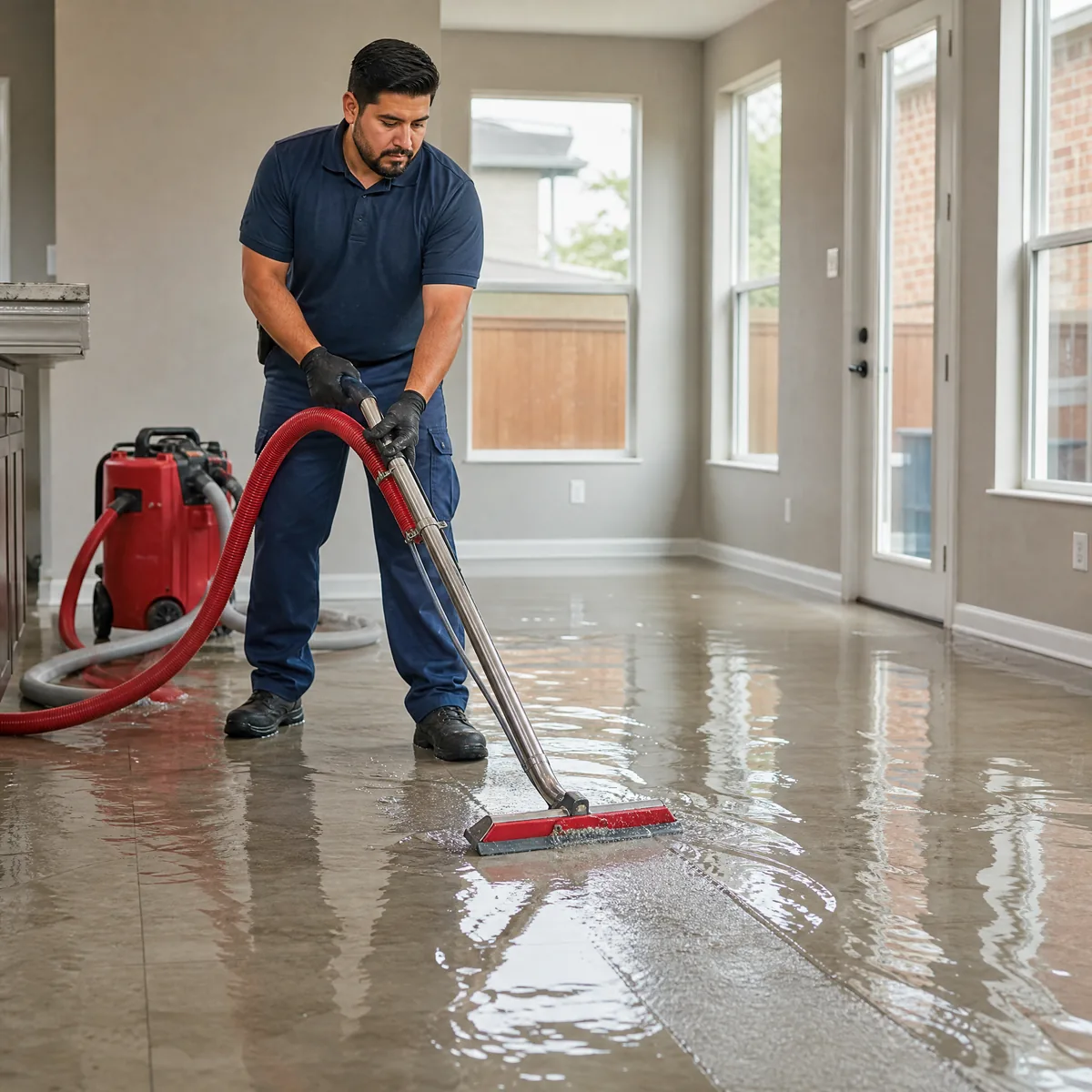
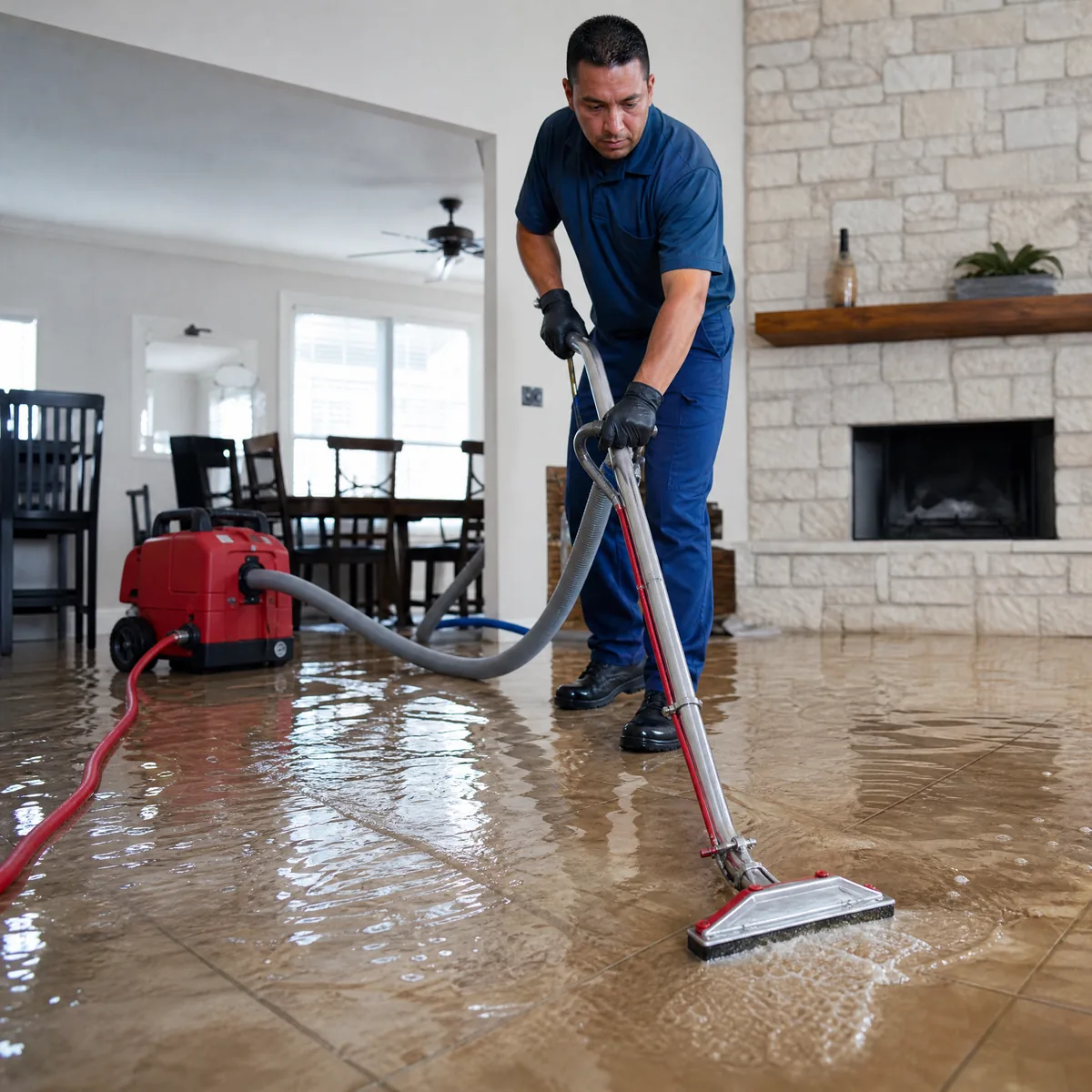
Water extraction removes accessible water, while cleaning and material removal address other parts of the loss. Ask which rooms and components are included in the initial scope. When findings change after furniture moves or a concealed area becomes accessible, request an explanation and appropriate authorization for added work.
Plan drying around access, noise, and progress checks
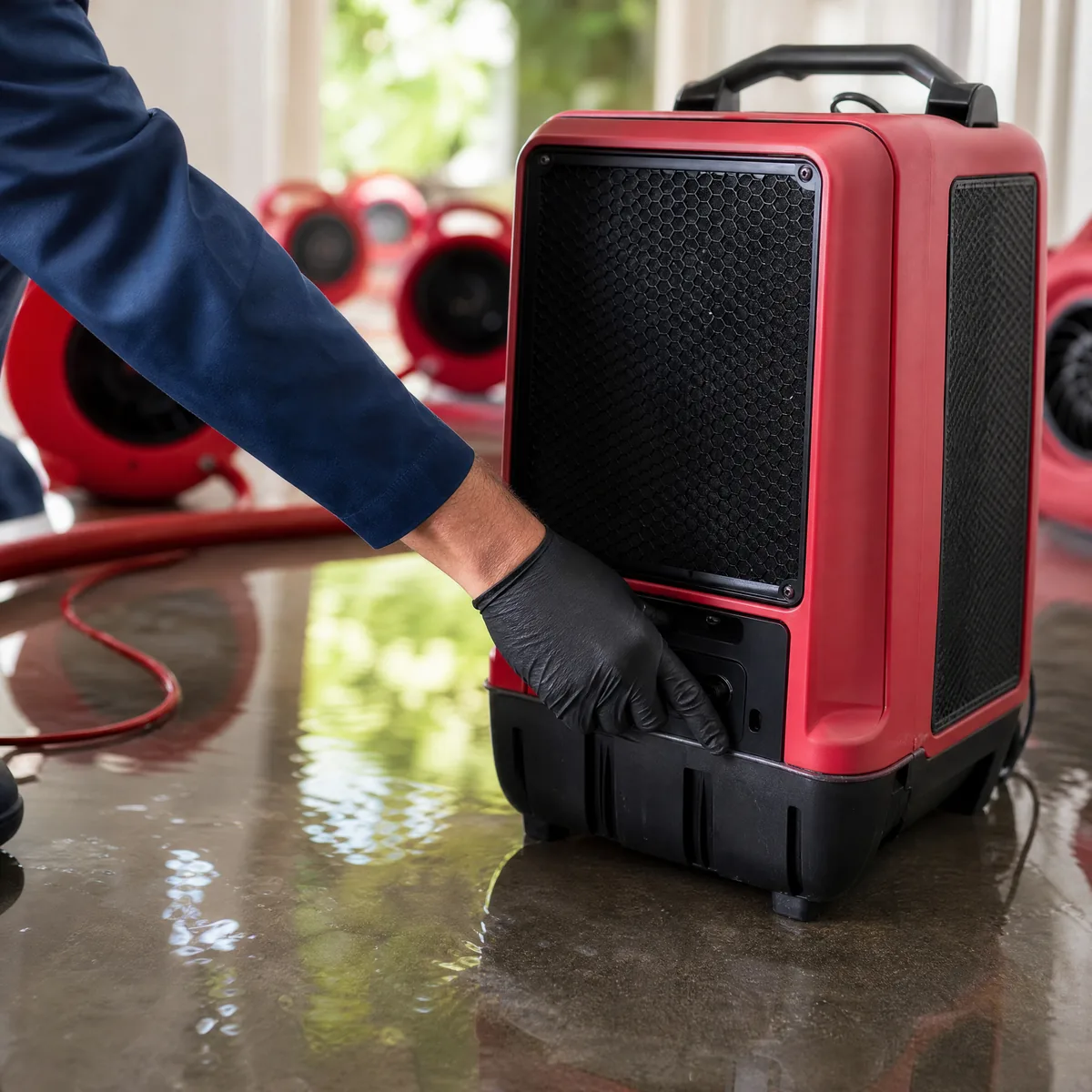
Drying equipment may need to operate across several connected rooms or building areas. Airflow, humidity control, power, and access for monitoring are part of that plan. Management should understand which rooms are unavailable and which paths must stay accessible to the restoration team.
Ask for updates tied to moisture findings and remaining tasks rather than a fixed reopening promise. Structural drying may finish at different times in different assemblies. A guest room that looks orderly can still need drying, repairs, cleaning, or specialist evaluation before management returns it to inventory.
Keep the room return process specific
Create a room-by-room record of cleanup, drying, repairs, contents decisions, and any equipment or utility checks. This helps housekeeping, engineering, management, and the contractor work from the same status. Clearly separate a room awaiting paint from one still undergoing moisture monitoring or contamination-related work.
Management should base reopening on the completed scope, safe access, functioning systems, and other applicable requirements. Contractor drying records support the building recovery; they do not replace the property's operating decisions or any required professional assessment. Keep unresolved items visible until the responsible party has addressed them.
Call with the access details a provider needs
Provide the Fremont address, service entrance, manager's contact, affected floors, and known room count. Mention elevators, loading limitations, security requirements, and any guest areas the crew should avoid. Describe the problem accurately without guessing at a total damage figure before the inspection.
Call (866) 552-5141 to discuss the independent provider's current availability and whether the property fits its capabilities. Ask about initial charges, staffing, reporting, and the scope of contents handling. The commercial restoration guide offers a broader framework for coordinating several companies and decision-makers during a business loss.